
27 July 2020 · Business
Beginners Guide to Making Toys to Sell
From the original Tiny Land blog, first published 27 July 2020. Tiny Land no longer manufactures, so products, prices, offers and links mentioned here may no longer be available, and rules or guidance may have changed since. Browse the free recipes →
Do you want to sell the wooden toys that you are making? Then this blog post is for you! It's an exciting - yet important - time to make sure that you have a viable business. So, what do you need to think about before you get too carried away? This blog will give you an overview of some of the key things you need to think about. Over the coming weeks we'll be adding further blog posts to dig a little deeper into each of these areas.
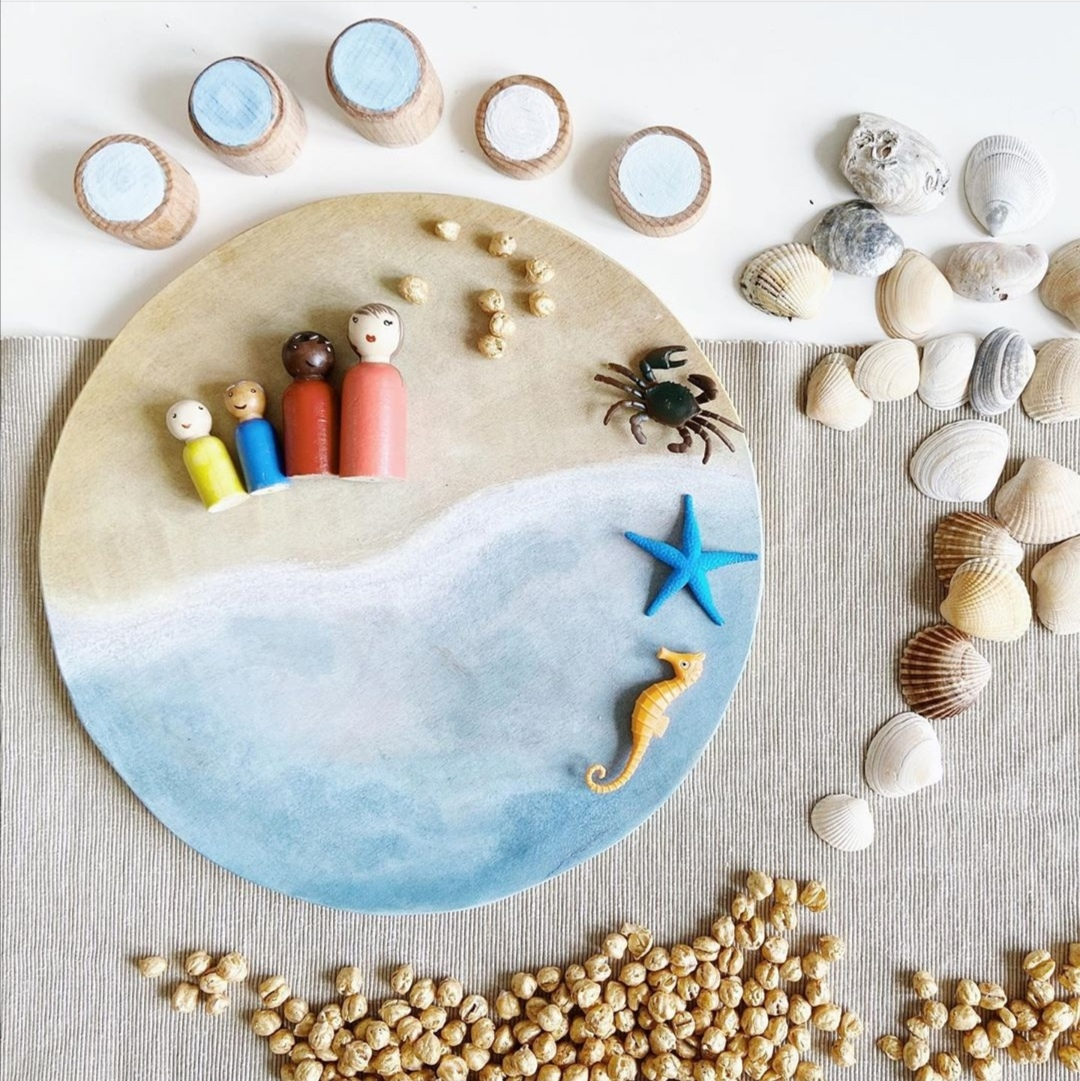
For many people, making wooden toys starts out as a hobby and something you enjoy. Friends and family love what you make and you start to think this could be a potential small business venture. Does that sound familiar? Making sure that the hobby you love doesn't turn into a business nightmare involves doing some significant preparation. However, with the right guidance and a business mindset from the beginning, you can have a successful wooden toy business.
Research
Is there a market for your wooden toy? Firstly, do people want to buy your product? Ask family and friends who will be honest with you.
- Would they buy?
- Who do they see buying your products?
- What price would they be willing to pay?
Do your competitor research
- Are there similar products on the market?
- Who are they aimed at?
- What price are they?
- How many do they sell? Some sites such as Etsy can be quite handy for checking how many sales have been made - however this won't take into consideration direct sales from other sources.
Unique Selling Point
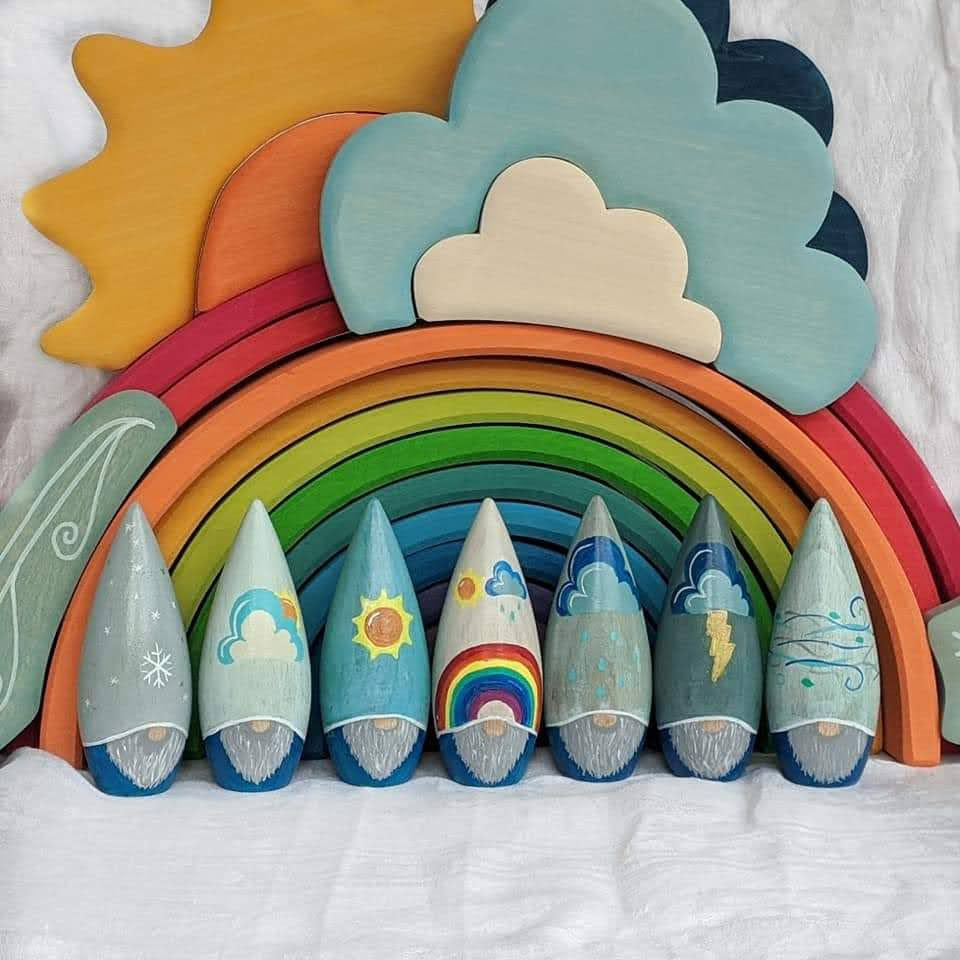
A unique selling point, often shortened to USP and also known as unique selling proposition, is simply what sets you apart and makes you different from competitors. If someone was to look for a Toy with a specific style, or a brand with specific ethics, would this be yours? What sets you apart? Here are a few example ideas:
- Price
- Quality
- Style/Characters
- Customisation
- Eco-consciousness
Costing
Before you do anything else you need to look at your price point and costings. Things to consider are:
- How much do your raw materials cost?
- How long does your product take to make?
- What hourly rate are you looking to pay yourself?
- Will you offer custom orders and how much cost in resources and time will this add?
- Additional costs you may not have thought of such as making calls, packaging, labelling etc.
- Earnings over a certain amount may then be subject to tax - thresholds will be dependent on the country you live in
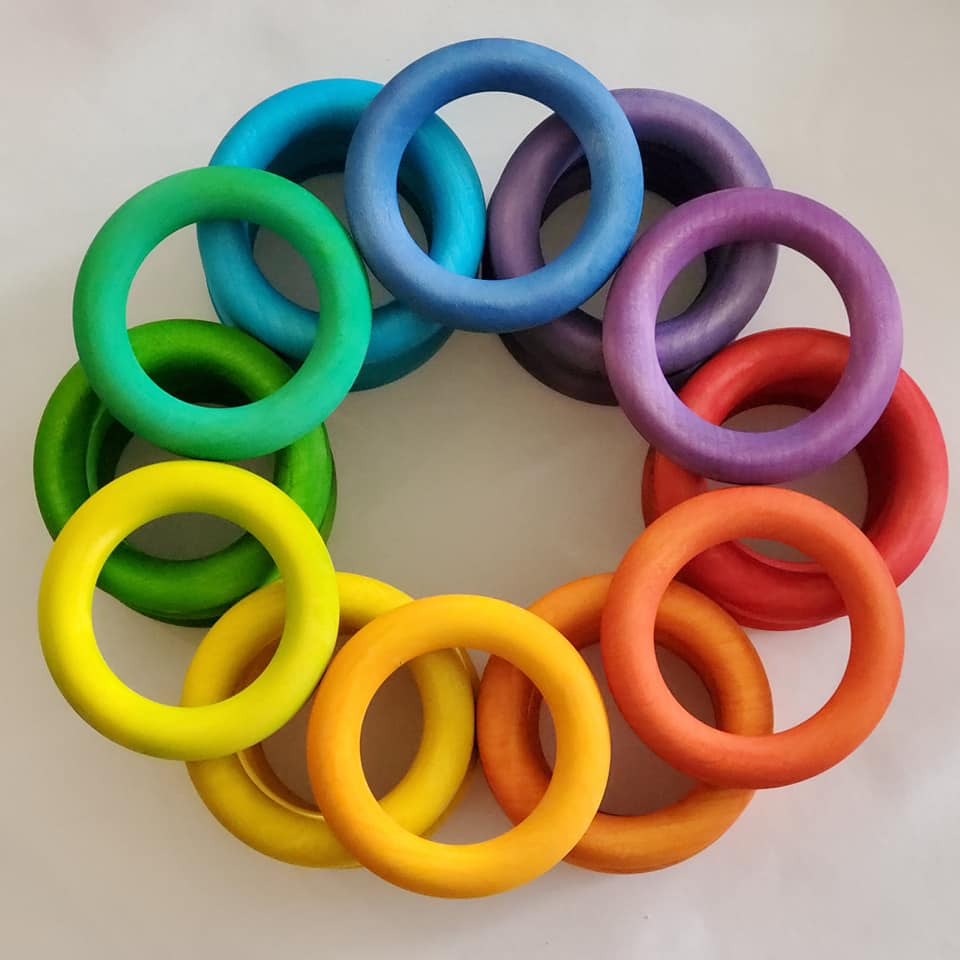
What your time is worth is a tricky one, and something you really need to consider carefully. You may not mind putting a few hours a week into your business for free, but if your business grows are you going to continue to work for free? We all have so many hours in a day, so if you had to hire someone to take over elements of the work, would you afford them when that time came? Uplifts, economies of scale and cost margins is a subject we will cover in more detail later - it's not as exciting as having Rainbows in our lives but it's just as vital!
Production
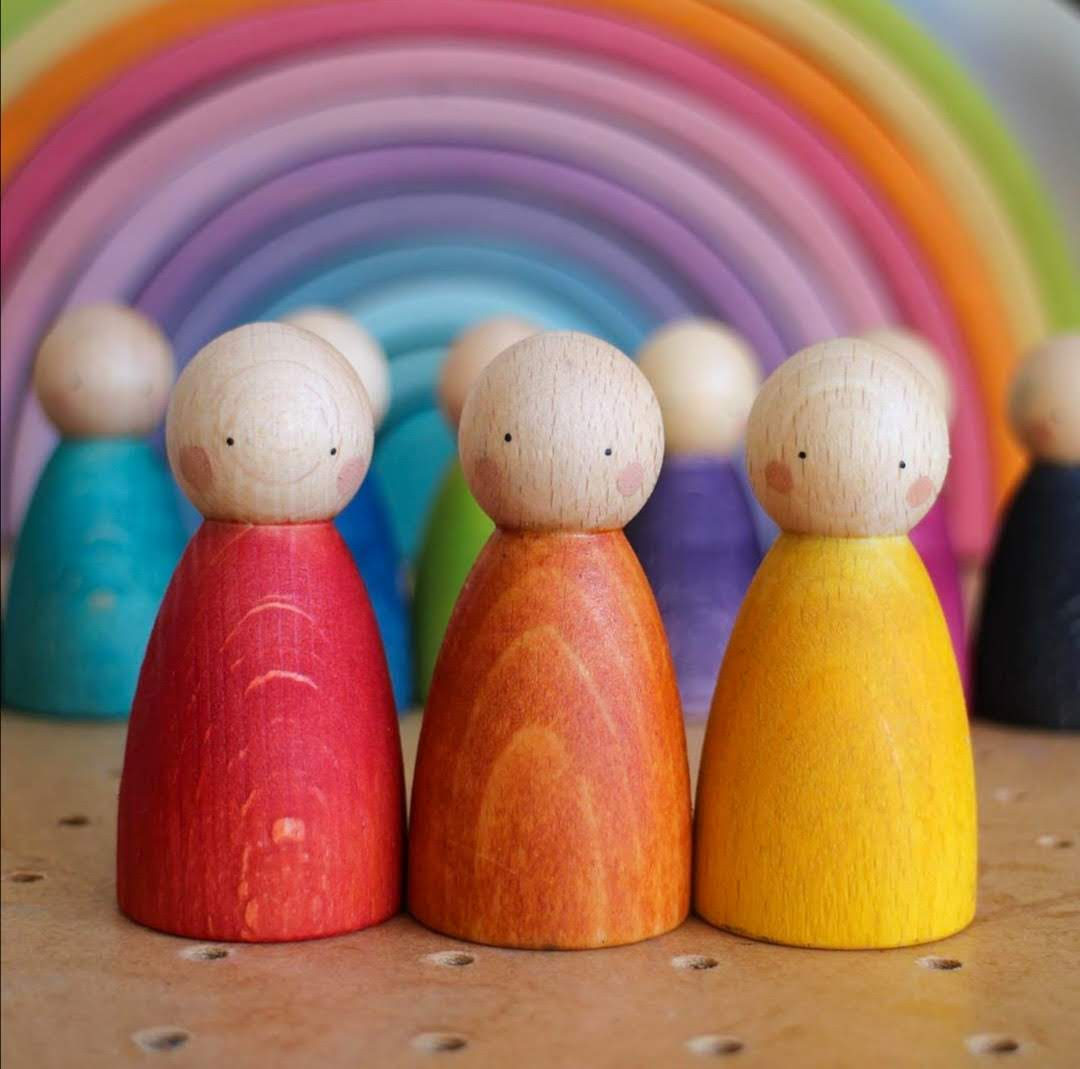
How many products do you want to produce? It can be lovely to make a few of an item, but will you still enjoy making 100? There are lots of things to consider for production.
- How many can you produce in a day, week, month?
- How will you ensure product quality is consistent?
- Will you make to order or hold stock?
- Where will you make and store your products?
- Will you offer inventory only or will there be custom options available? What difference does this make on time, materials and costing?
Safety
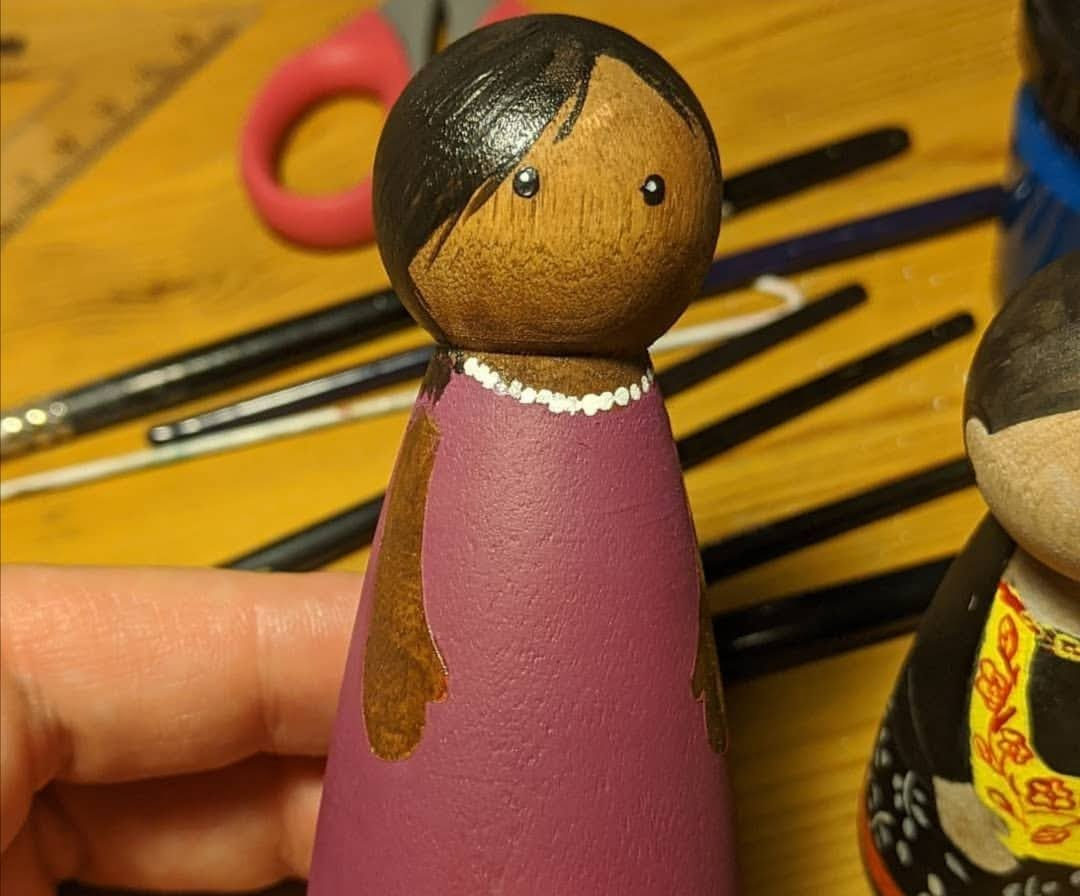
There are very strict regulations around making toys in many countries around the world. You will need to make sure you understand your obligations as a toy seller before selling your product. Countries have different requirements so you will need to check these for each country you plan to sell in. You will also need to ensure that you are insured appropriately. In the UK public liability insurance would be a minimum requirement.
In the UK, if your toy requires a CE mark then you must keep a technical file which contains either your certificates for lab testing or your own testing results.
EN71 certificates are available from some raw material companies including Tiny Land products. We were also in the process of going through US and UK lab testing at the time of writing.
For further information do check your latest guidance from your country. You may find these websites below useful.
- Worldwide - toy-icti.org
- UK Government - gov.uk
- US Consumer Product Safety Commission - cpsc.gov
- Product Safety Australia - productsafety.gov.au
Product Testing
In the UK, if your product requires a CE mark, you will need to go through CE testing. You can find incredibly helpful information about CE marking from CE Marking Handmade Toys Collective. It's a process that we've been through and we were looking forward to sharing our experiences with you. We were also going through American safety testing at the time of writing.

Selling
- Where will you sell and who to?
- What price will you be charging?
- Are you selling direct to customers or wholesale?
- Will you have your own website/ shop/ use third parties such as Etsy for example?
What is your ultimate aim? Are you looking to start selling direct to customers, but you're hoping to be stocked and sell wholesale? If you are looking to sell wholesale now or in the future then pricing strategy is incredibly important.
Ideally, wholesalers will be looking for around a 50% discount on the RRP. You may be able to negotiate a 30-50% discount depending upon the reseller, but this may significantly limit who you can sell to wholesale. Therefore the total cost of your product should be below 25% of your retail price. Ideally you want the cost to make your product to be lower than this as there will be additional costs attributed to running your business such as marketing.
In the UK you do not need to register for VAT until you reach £85k (the threshold at the time of writing). Since incoming VAT is less than outgoing VAT there is no benefit to being VAT registered before then. As a small business, it is likely you won't be charging VAT. However a reseller may need to! Therefore 20% of the price paid for your item is taken up by VAT. Therefore a 30% discount to a reseller may seem reasonable to you, however it leaves them, after VAT, with very little at 10%.
Copyright
Be very careful to ensure that you are not in breach of copyright when selling your products. For example you are not allowed to make and sell 'Buzz Lightyear' as Disney may well come knocking!
Marketing
Marketing your product is crucial. Whether it is direct to customer or to resellers you will need a strategy.
- Photography - good product photos are essential
- Social media platforms. Which ones will you use? Which ones are best for your type of product?
- Will you employ the skills of brand representatives or influencers?
- How much time do you have to invest?
- Will you invest financially through advertisement?
- Branding - how will people recognise your brand, does your branding support your USP?
Branding is incredibly powerful and when done right can really boost your sales.
People may be searching for where to buy wooden toys on google. The content on your site/selling page needs to meet SEO standards if you want to be found!
Community Building
Starting a business can be incredibly time consuming. How will you ensure a work life balance?
- When will you be available? For producing your toys? Marketing? Planning?
Facebook Groups are a great way to build your own community - Tiny Land's was Tiny Talk.
Images
We are passionate about supporting other small businesses. Images we have used on the blog are from other incredible small businesses and creators who made things using our Tiny Land products.
Disclaimer
We are not legal professionals and the ideas and suggestions we make on our blog come from our own research and experiences alone. Please do ensure that you follow all relevant law and guidance and do your own research specific for the country you are looking to sell your toys in.
Looking for the recipes?
Our food-grade colour recipes, materials guides and woodworking know-how are free to use at home in the Tiny Land app.
Browse the free recipes